
 Hindi
Hindi  French
  German
  English
  Spanish
  Italian
  Japanese
  Korean
  Norwegian
  Chinese
Lula Relaunches the Fossil Fuel Debate at COP30 in Brazil
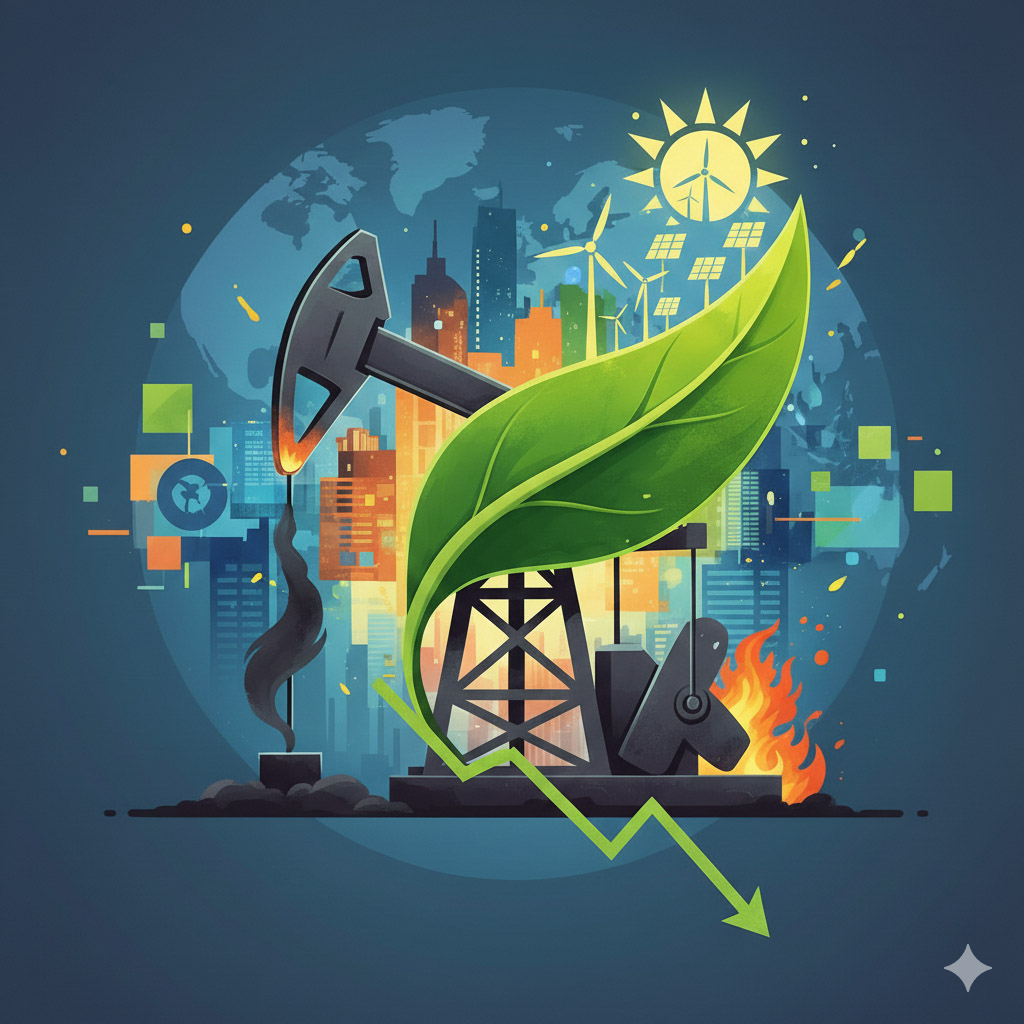
The 30th Conference of the Parties (COP30), held this year under the Brazilian sun, concluded on a familiar note: that of the climate emergency and the persistent gap between national ambitions and scientific reality. Yet one standout moment marked this edition: the forceful intervention of Brazilian President Luiz Inácio Lula da Silva, who powerfully reignited the debate on the inevitable end of our dependence on fossil fuels. A stance that resonates particularly in a country historically reliant on extraction, yet also a major player in renewable energies.
The Weight of Lula's Words
In the midst of the final debate, as the drafting of the agreement seemed to be bogged down in delaying compromises, Lula put his foot down. He insisted on the need to include specific and dated objectives for the gradual elimination of not only coal, but also oil and natural gas. A call that immediately created friction with countries whose economies rely heavily on these resources, notably OPEC members. This move is strategic: it positions Brazil not only as the host of the conference, but as a moral leader of the Global South on environmental issues.
This is not the first time such a subject has dominated COP discussions. But at COP30, the context was different. The United Nations published alarming new reports just before the event, highlighting that even with current commitments (the Nationally Determined Contributions or NDCs), the world is still heading toward catastrophic warming of more than 2.5°C. Faced with this hard data, the pressure for a clear break with fossil fuels has never been more intense.
Europe, for its part, raised the possibility of leaving without a major agreement if the final text failed to incorporate ambitious wording on the energy transition. This threat served as a catalyst, forcing negotiators back to the table with greater urgency. The dilemma remains the same: how to finance this transition in developing countries without penalizing their economic growth?
Ultimately, although the final COP30 agreement probably once again failed to satisfy scientists, the mere fact that the fossil fuel question was the central and public point of friction is a victory in itself for activists and island nations. The debate is now at the heart of international diplomacy, and it will be impossible to ignore at the next conference. The transition train is in motion, and COP30 at least had the merit of giving it a new political momentum, driven by the voice of an experienced leader. It remains to be seen whether this momentum will translate into concrete action in the months ahead.



Lula Relaunches the Fossil Fuel Debate at COP30 in Brazil
The 30th Conference of the Parties (COP30), held this year under the Brazilian sun, concluded on a familiar note: that of the climate emergency and the persistent gap between national ambitions and scientific reality. Yet one standout moment marked this edition: the forceful intervention of Brazilian President Luiz Inácio Lula da Silva, who powerfully reignited the debate on the inevitable end of our dependence on fossil fuels. A stance that resonates particularly in a country historically reliant on extraction, yet also a major player in renewable energies.
The Weight of Lula's Words
In the midst of the final debate, as the drafting of the agreement seemed to be bogged down in delaying compromises, Lula put his foot down. He insisted on the need to include specific and dated objectives for the gradual elimination of not only coal, but also oil and natural gas. A call that immediately created friction with countries whose economies rely heavily on these resources, notably OPEC members. This move is strategic: it positions Brazil not only as the host of the conference, but as a moral leader of the Global South on environmental issues.
This is not the first time such a subject has dominated COP discussions. But at COP30, the context was different. The United Nations published alarming new reports just before the event, highlighting that even with current commitments (the Nationally Determined Contributions or NDCs), the world is still heading toward catastrophic warming of more than 2.5°C. Faced with this hard data, the pressure for a clear break with fossil fuels has never been more intense.
Europe, for its part, raised the possibility of leaving without a major agreement if the final text failed to incorporate ambitious wording on the energy transition. This threat served as a catalyst, forcing negotiators back to the table with greater urgency. The dilemma remains the same: how to finance this transition in developing countries without penalizing their economic growth?
Ultimately, although the final COP30 agreement probably once again failed to satisfy scientists, the mere fact that the fossil fuel question was the central and public point of friction is a victory in itself for activists and island nations. The debate is now at the heart of international diplomacy, and it will be impossible to ignore at the next conference. The transition train is in motion, and COP30 at least had the merit of giving it a new political momentum, driven by the voice of an experienced leader. It remains to be seen whether this momentum will translate into concrete action in the months ahead.
Lula Relaunches the Fossil Fuel Debate at COP30 in Brazil
The 30th Conference of the Parties (COP30), held this year under the Brazilian sun, concluded on a familiar note: that of the climate emergency and the persistent gap between national ambitions and scientific reality. Yet one standout moment marked this edition: the forceful intervention of Brazilian President Luiz Inácio Lula da Silva, who powerfully reignited the debate on the inevitable end of our dependence on fossil fuels. A stance that resonates particularly in a country historically reliant on extraction, yet also a major player in renewable energies.
The Weight of Lula's Words
In the midst of the final debate, as the drafting of the agreement seemed to be bogged down in delaying compromises, Lula put his foot down. He insisted on the need to include specific and dated objectives for the gradual elimination of not only coal, but also oil and natural gas. A call that immediately created friction with countries whose economies rely heavily on these resources, notably OPEC members. This move is strategic: it positions Brazil not only as the host of the conference, but as a moral leader of the Global South on environmental issues.
This is not the first time such a subject has dominated COP discussions. But at COP30, the context was different. The United Nations published alarming new reports just before the event, highlighting that even with current commitments (the Nationally Determined Contributions or NDCs), the world is still heading toward catastrophic warming of more than 2.5°C. Faced with this hard data, the pressure for a clear break with fossil fuels has never been more intense.
Europe, for its part, raised the possibility of leaving without a major agreement if the final text failed to incorporate ambitious wording on the energy transition. This threat served as a catalyst, forcing negotiators back to the table with greater urgency. The dilemma remains the same: how to finance this transition in developing countries without penalizing their economic growth?
Ultimately, although the final COP30 agreement probably once again failed to satisfy scientists, the mere fact that the fossil fuel question was the central and public point of friction is a victory in itself for activists and island nations. The debate is now at the heart of international diplomacy, and it will be impossible to ignore at the next conference. The transition train is in motion, and COP30 at least had the merit of giving it a new political momentum, driven by the voice of an experienced leader. It remains to be seen whether this momentum will translate into concrete action in the months ahead.